
The Bachelor of Pharmacy Program at the University of Darussalam (UNIDA) Gontor is an integrated learning system designed to facilitate the development of student competencies in the field of pharmaceutical sciences, including pharmaceutical chemistry, pharmacology, pharmaceutics, drug formulation technology, and pharmaceutical care management. This program also emphasizes innovation in the development of pharmaceutical products and sustainable health solutions through an approach grounded in Islamic values and the pesantren tradition. Through a systems-based approach, students are equipped with analytical, technical, and applied skills to respond to the dynamics and complexities of the healthcare sector and pharmaceutical industry in the global era.
This undergraduate program is oriented toward producing graduates with competitive excellence in the field of pharmacy, strong Islamic character, global insight, and a foundation rooted in pesantren values, achieved through the integration of pharmaceutical sciences with Islamic principles within a pesantren-based higher education framework.
The spirit of scientific development in the Bachelor of Pharmacy Program at the University of Darussalam (UNIDA) Gontor is realized through the implementation of the Tri Dharma of Higher Education, which encompasses education and teaching, research, and community service in an integrated manner. All academic activities are directed toward strengthening pharmaceutical sciences through a systems-based approach, with an orientation toward the Islamization of contemporary knowledge. Thus, the learning process emphasizes not only theoretical aspects but also the mastery of formulation skills, drug analysis, pharmaceutical dosage form development, and the application of technology in modern healthcare.
The distinctiveness of this program lies in its emphasis on pharmaceutics, pharmaceutical chemistry, pharmacology, drug formulation and delivery systems, as well as quality control and safety systems for pharmaceutical products. Students are equipped with the ability to optimize the development and production processes of pharmaceutical preparations through approaches focused on efficiency, quality assurance, enhanced therapeutic effectiveness and safety, and the application of sustainability principles in the pharmaceutical industry and pharmaceutical care. This approach also promotes the integration of appropriate technology, automation in drug production processes, and the digitalization of healthcare services to enhance the quality and competitiveness of the pharmaceutical sector.
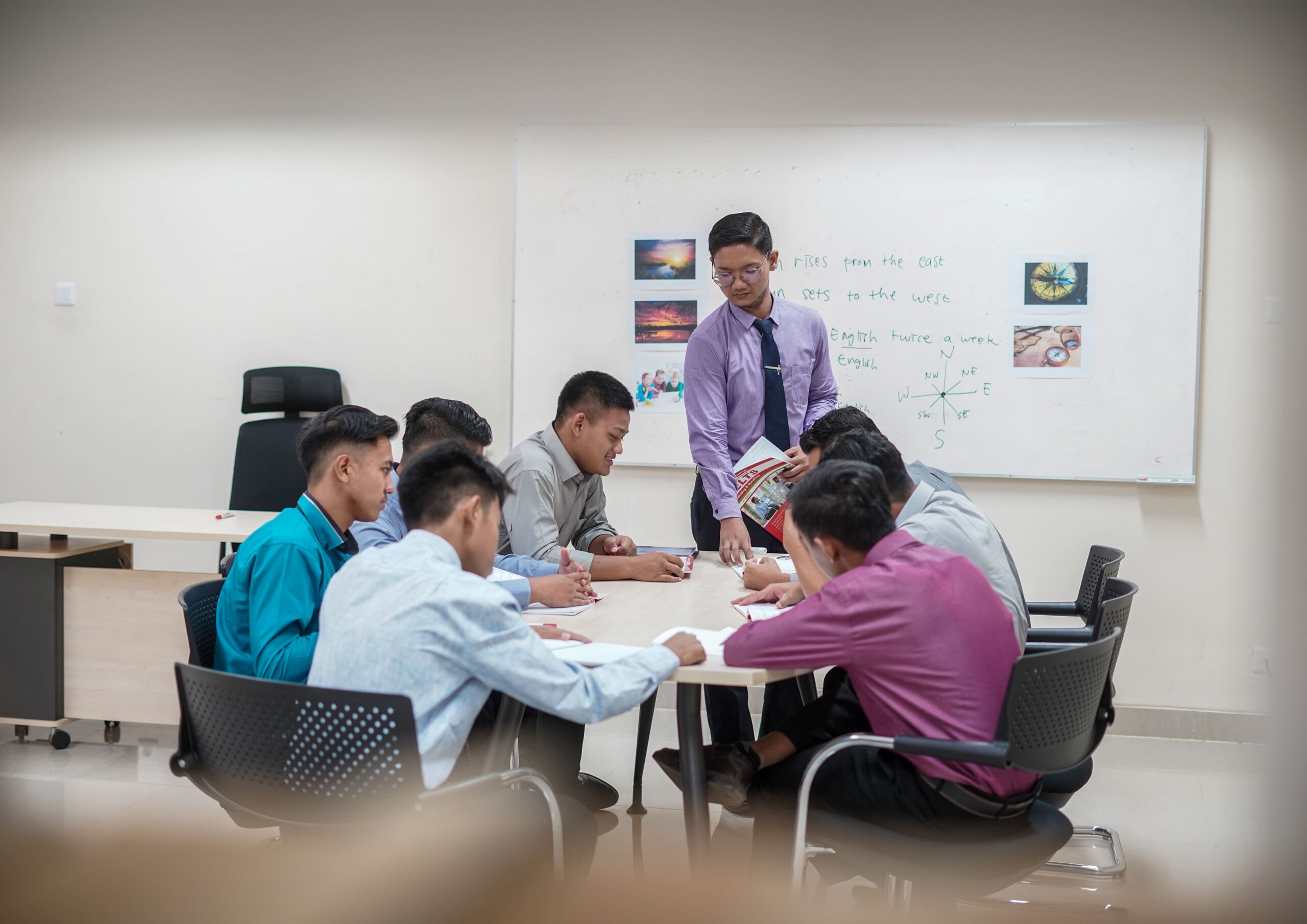
Students of the Bachelor of Pharmacy Program at the University of Darussalam (UNIDA) Gontor have the opportunity to develop multidisciplinary competencies in the field of pharmaceutical sciences as the main focus of academic strengthening. In the learning process, students are equipped with both fundamental and applied courses such as pharmaceutical chemistry, pharmacology, pharmaceutics, pharmaceutical analysis, as well as drug formulation and dosage form development technology. In addition, students participate in various laboratory practicums and field practices designed to enhance technical skills, analytical accuracy, and professionalism in managing pharmaceutical systems based on science and technology.
This learning approach is systematically structured from a pharmaceutical systems perspective, enabling students to comprehensively understand the product development process, from active compound discovery, formulation, and manufacturing, to distribution and pharmaceutical care services for the community. Students are also encouraged to apply principles of process efficiency, quality assurance, drug safety and efficacy, and the use of appropriate technology in developing innovative, adaptive, and sustainable healthcare solutions.
Through this approach, graduates are expected to possess the ability to design and optimize effective and efficient pharmaceutical systems, as well as contribute to improving the quality of pharmaceutical products, healthcare services, and public access to safe, high-quality, and effective medicines in a sustainable manner.
In addition to academic coursework, students of the Bachelor of Pharmacy Program at the University of Darussalam (UNIDA) Gontor have opportunities to develop their competencies through various academic and non-academic activities that are applicative and systems-based. These activities include involvement in faculty research in the fields of pharmacy and drug development, community service programs focused on the rational use of medicines, public health improvement, and the empowerment of natural resources for pharmaceutical products. Students may also participate in student organizations and develop innovative projects in pharmaceutical formulation and dosage form technology aimed at improving product quality, safety, and efficacy.
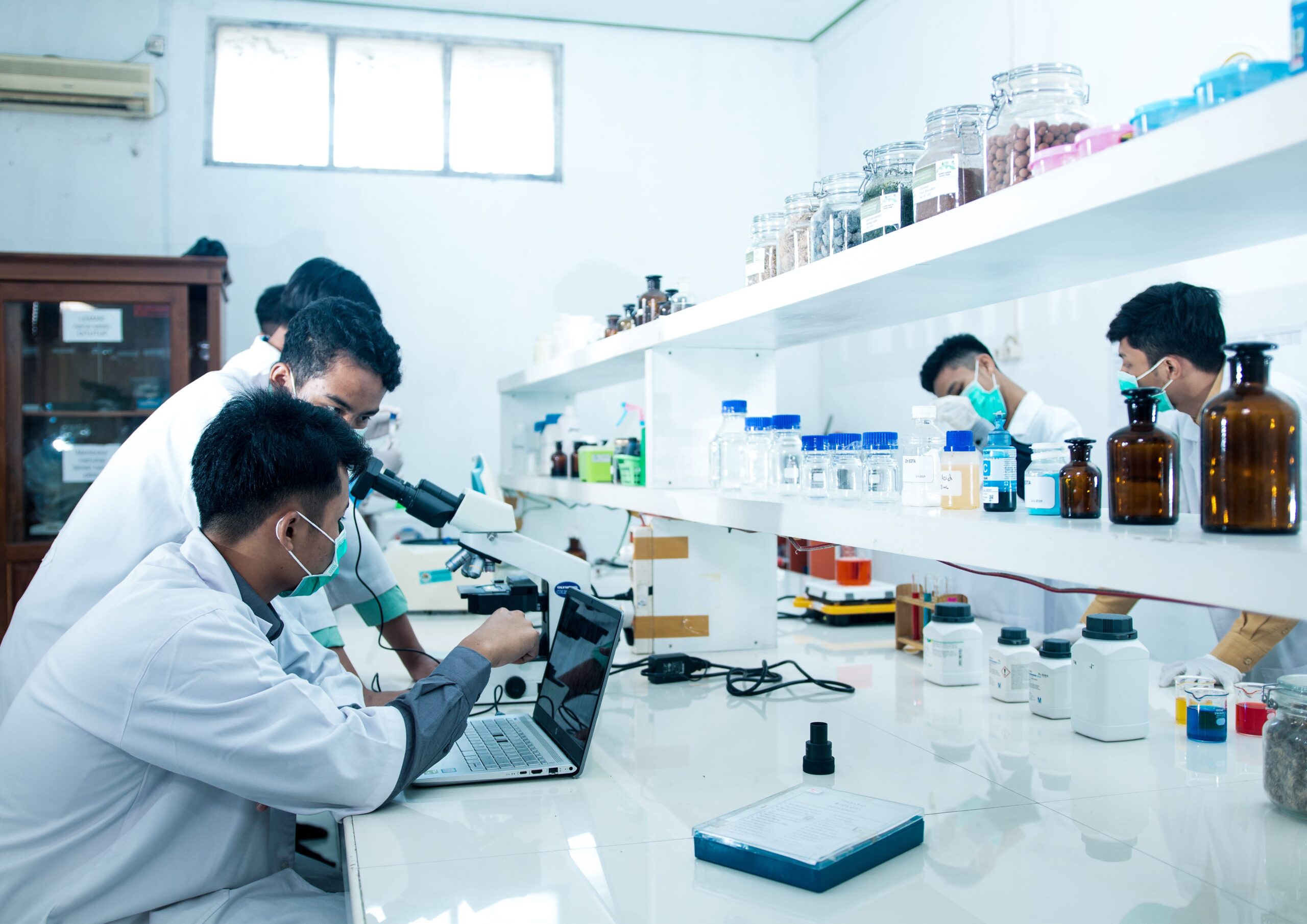
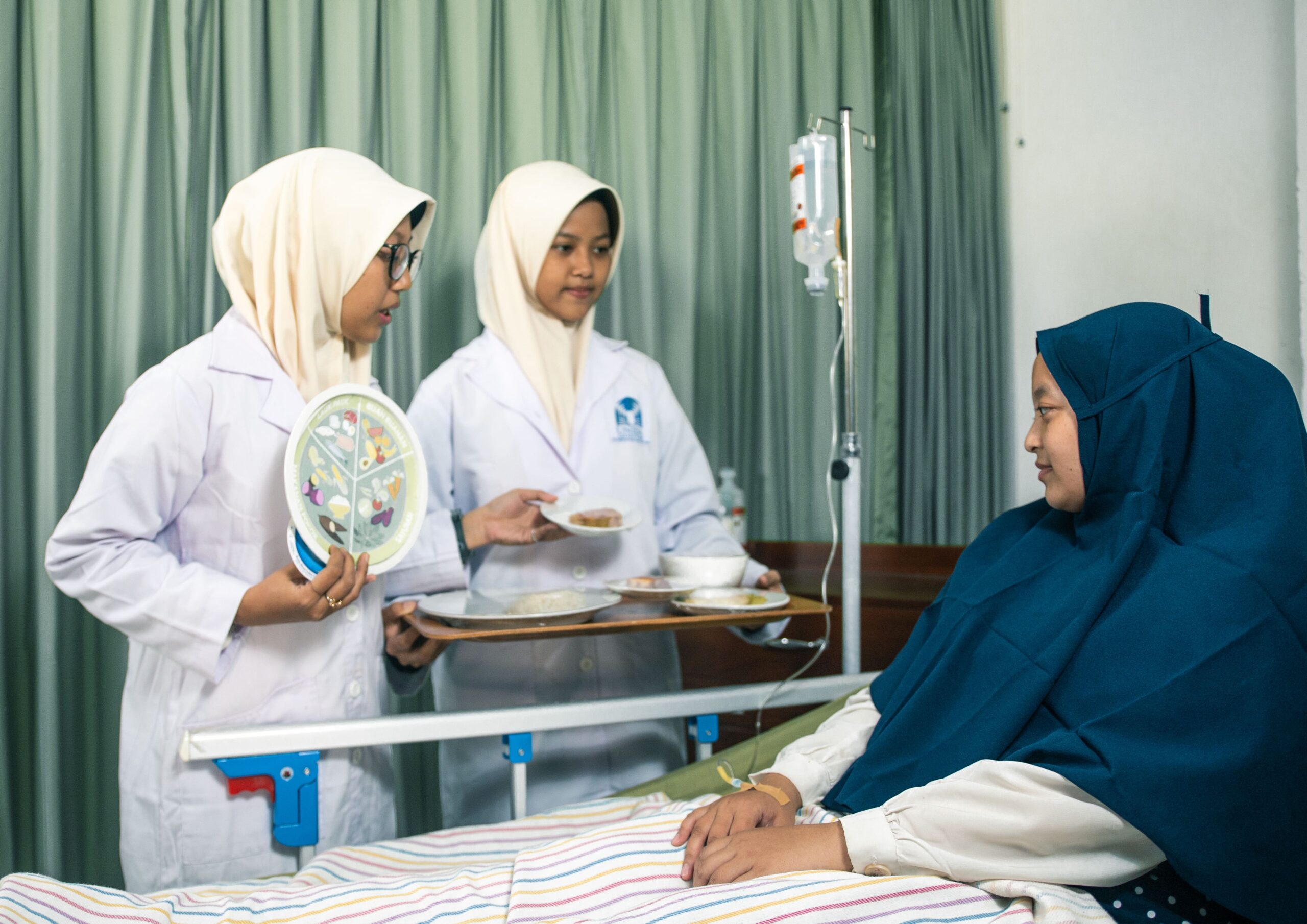
Students also gain practical experience through laboratory and field activities such as drug formulation and production, quality analysis of pharmaceutical materials and products, stability testing, and participation in pharmaceutical care services within the community. This approach enables students to directly understand the implementation of drug development, production, distribution, and utilization systems in real-world contexts, while also enhancing problem-solving skills based on pharmaceutical sciences.
The pesantren-based academic environment also plays a significant role in shaping students’ character, fostering moral integrity, discipline, a strong work ethic, and leadership. Therefore, graduates are expected to act as agents of change in developing innovative and sustainable pharmaceutical systems, as well as contributing to the improvement of public health quality, grounded in Islamic values.
As part of a globally oriented institution, the Bachelor of Pharmacy Program at the University of Darussalam (UNIDA) Gontor encourages students to develop an international outlook through various collaborative academic activities, such as research partnerships in pharmacy and drug development, knowledge exchange, and participation in scientific forums at both national and international levels. The focus of study is directed toward strategic issues such as the discovery and development of new drugs, the safety and efficacy of therapies, the utilization of natural products as sources of medicine, and innovations in pharmaceutical technology and healthcare systems.
This approach aligns with the program’s vision to produce graduates with globally competitive capacities, who are adaptive to the dynamics of health science development, advancements in pharmaceutical technology, and the challenges of providing safe, high-quality, and affordable medicines to the global community. Graduates are expected to contribute to the sustainable development of pharmaceutical science and technology through scientific, innovative, and systems-based approaches, while upholding Islamic values and the pesantren tradition as the foundation of ethics and professionalism.
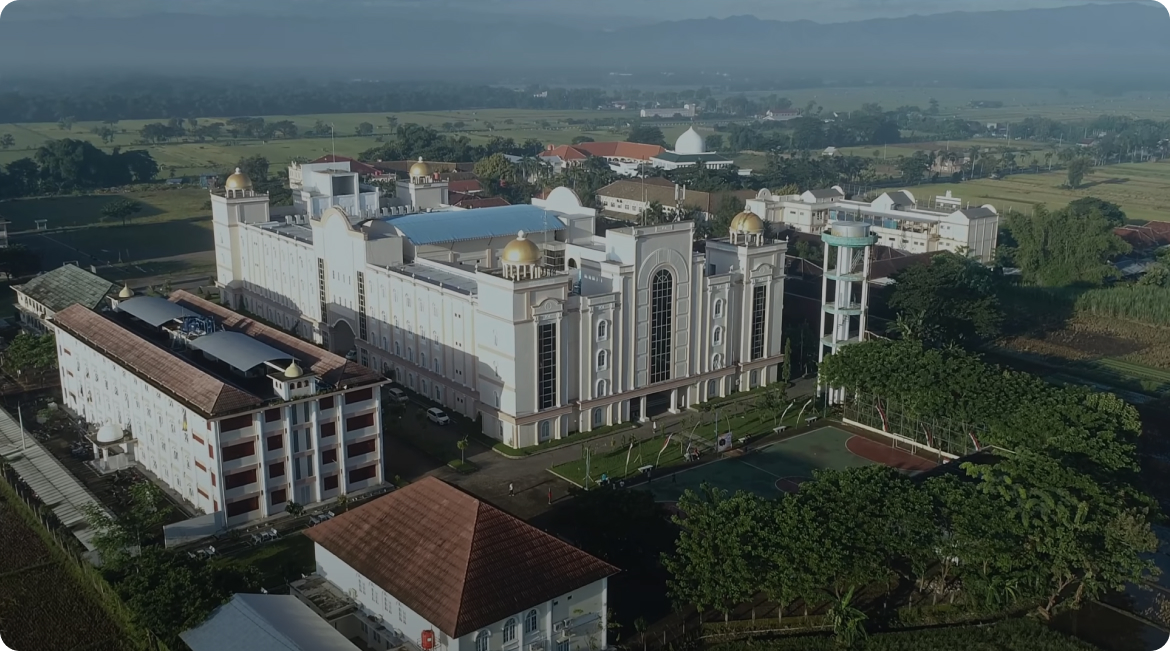
The Bachelor of Pharmacy Program at the University of Darussalam (UNIDA) Gontor is supported by various learning facilities designed to strengthen students’ technical and practical competencies in the field of pharmaceutical sciences. These facilities include laboratories for pharmaceutical chemistry, pharmaceutics, pharmacology, and pharmaceutical analysis, as well as a pharmaceutical dosage form production unit used for practicum, research, and the development of innovative drug products.
The availability of these facilities enables students to conduct data-driven observations, test the characteristics of active ingredients and excipients, formulate and evaluate pharmaceutical dosage forms, and simulate as well as optimize drug production processes. In addition, students are able to perform quality, stability, and safety testing of pharmaceutical products in accordance with established standards.
Through experimental approaches and formulation development, students can enhance their practical skills while also improving their analytical abilities and creativity in designing pharmaceutical solutions that are effective, safe, high-quality, and sustainable, both in the context of the pharmaceutical industry and healthcare services.
Through the integration of an academic program based on pharmaceutical sciences, the strengthening of Islamic values, and the development of applicable professional competencies, the Bachelor of Pharmacy Program at the University of Darussalam (UNIDA) Gontor is oriented toward shaping the graduate profile of a Scientific Islamic Pharmacist, a professional in the field of pharmacy who possesses competencies in drug analysis, pharmaceutical formulation, and the management of pharmaceutical systems grounded in scientific knowledge and Islamic values.
In addition, the program also aims to develop the profile of an Islamic Pharmaceutical Entrepreneur, a graduate with entrepreneurial capacity in developing businesses in the pharmaceutical sector, capable of creating innovative products such as medicines, cosmetics, and health products based on both natural and synthetic materials, as well as optimizing resource utilization through efficient technological and managerial approaches while adhering to Islamic principles.
With a systems-based educational approach that integrates pharmaceutical sciences, Islamic values, and the pesantren tradition, the Bachelor of Pharmacy Program at the University of Darussalam (UNIDA) Gontor is committed to producing Muslim professionals who possess competencies in drug formulation and development, pharmaceutical production system management, and the development of technologies based on both natural and synthetic materials.
Graduates are expected to be capable of innovating in designing and optimizing sustainable pharmaceutical systems, emphasizing quality assurance, drug safety and efficacy, as well as the application of sustainability principles in managing healthcare resources. Furthermore, graduates are expected to contribute meaningfully to society and the ummah through the improvement of pharmaceutical care services, the development of pharmaceutical and health products, and the implementation of appropriate, adaptive, and competitive technologies, while remaining grounded in Islamic values.